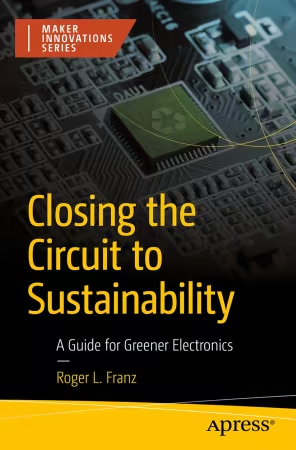
Description
This book provides practical guidance on how we identify the materials used in electronic goods, the risks of legacy substances from an environmental and health point of view, and how these products should be treated at the end of their useful life. Electronics was born when concerns about environmental pollution, clean energy, and the current discussions about sustainability were not yet in existence. With this perspective, there is a great need now for advanced technologies that are free of the shortcomings of current electronics products. Some of the most promising materials to reduce the demands on limited resource supplies and improve circularity at product end of life are based on carbon and carbon nanotechnology.
The book provides links to industry organizations working on electronics sustainability, material recycling, and engineering tools and standards to achieve these goals. The book also includes a rapid-fire alphabetical list of new electronics technologies “from DC to light” so that the possibilities can freely roam around afterwards with the interested reader to think outside the box. The book concludes by highlighting connections between the current need for sustainability, and philosophical and cultural viewpoints that have been around for millennia but have become overshadowed by technology.
What You'll Learn
Understand what materials are used in electronic products today
Identify risks and alternatives to harmful substances
Apply tools and standards to improve electronics sustainability
Explore strategies for circular design and recycling
Discover emerging technologies shaping the future of electronics
Who This Book Is For
Intermediate and advanced practitioners in industry and engineering, technical staff and management, environmental advocates, interested general public and researchers, and academic researchers